Five times a week, I go on my early morning (5am) walk to clock in my steps. In that approximately 45 minutes each time I do it, thoughts fill up my mind, and a recurring part of it is about what sort of articles I should pen down for my blog. Recently it’s been about my thoughts on the direction of the Bird Society of Singapore, the splintering of yet another Telegram group chat for birding and the general state of birding in Singapore. If ever I pen down all my thoughts, they’ll be very long articles and probably some knives drawn on me. But I am at heart a big procrastinator when it comes to writing, so perhaps it’s for the better.
As some sort of penance for not writing about those things, here’s something that is easier to pen down.
Ever since the Singapore Birds Project (now Birds of Singapore) started in 2016, a lot of my Singapore bird photos have been publicly displayed, well viewed and somewhat scrutinised. I of course have my own photo website and I keep some public albums in Google Photos and previously in Flickr. I have also contributed a large collection to NParks and occasionally they use my photos for whatever publicity or educational material.
This is not a boast about the desirability of my photos or the level of my photography. I am proficient enough but not outstanding in my photographic skill. However, because of the nature of their usage, what I am about to describe is my own standards when it comes to these photos and what sort of processing I do on them. This applies to my Singapore bird photos only.
As a start, due to their primary usage in bird identification, there’s not a lot of focus on the artistic side of bird photography. Which is not to say there is none, but the vast majority of time, I’m focusing on common pose and clearer background, just to make sure these birds are well recognised. So from an artistic point of view, they can be rather bland, boring and uninspiring.
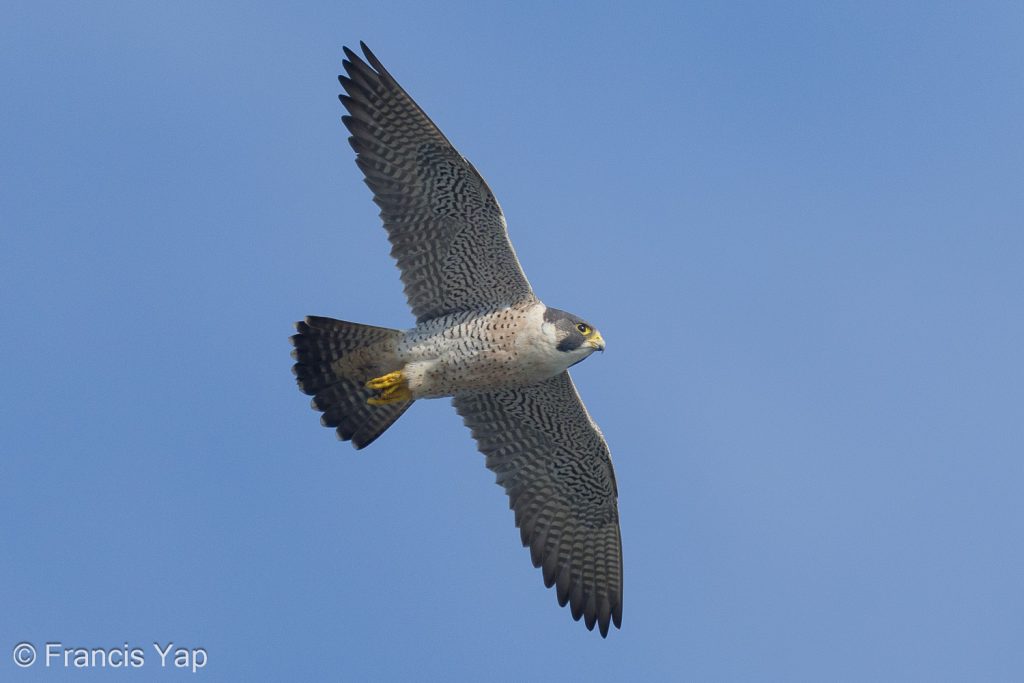
Peregrine Falcon at Kranji Loop. Most of the time, these are the kind of photos I take. Clear background, birds showing their identification features as much as possible.
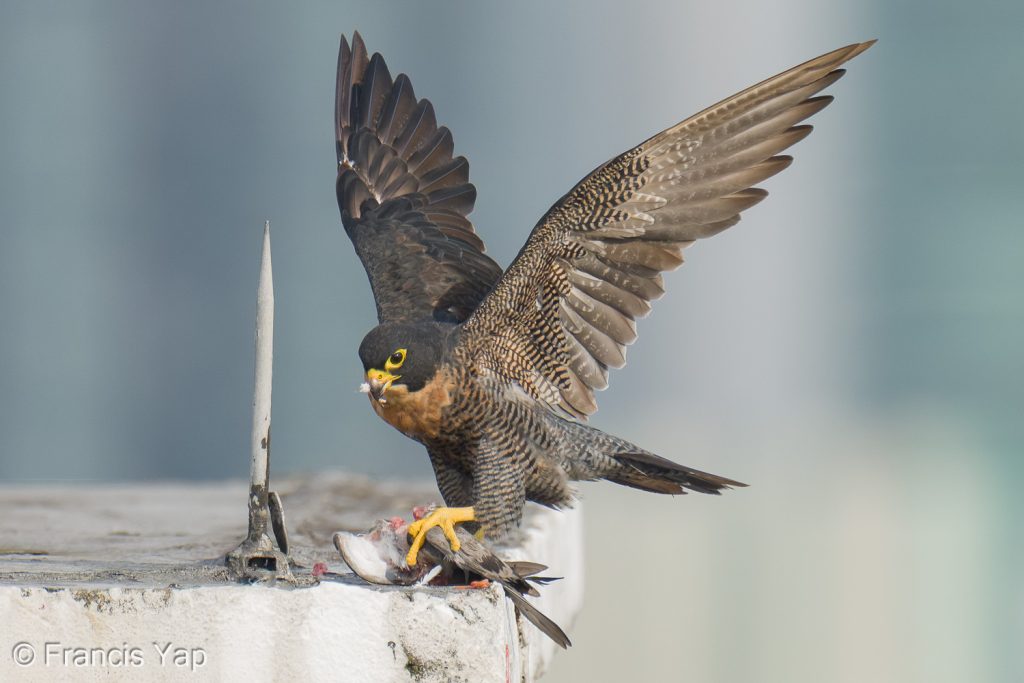
Peregrine Falcon at Jalan Kukoh. Much less often, I get lucky and it’s a more dramatic action shot.
Exposure, colour balance and contrast
In terms of processing, I’m trying to get the photos with the “normal” exposure, mostly neutral colour balance, normal saturation and lower contrast. Normal exposure sometimes means a bird seen in a dark forest in natural light can appear brighter in photo than in real life. Neutral colour balance may mean a bird seen in the early morning and late evening appear “warmer” than what our eye see at that time. Which is to say for the sake of getting the colours “correct”, we sometimes make some adjustments. In terms of saturation and contrast, my thought has always been more drawn to a naturalistic colour palette than bright and bold colours so it’s a matter of taste.
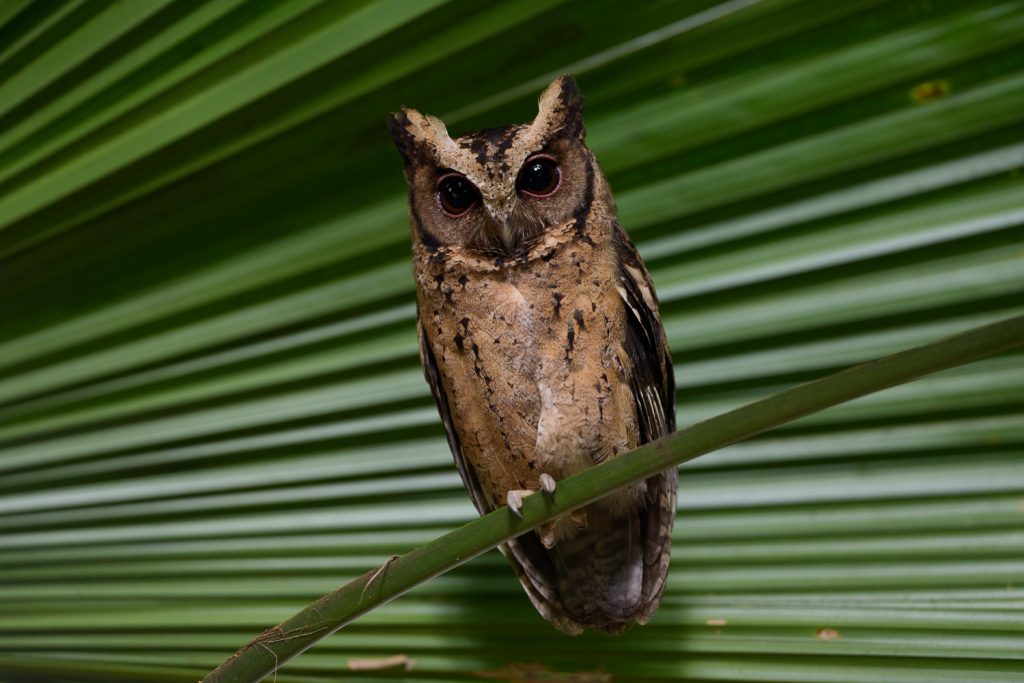
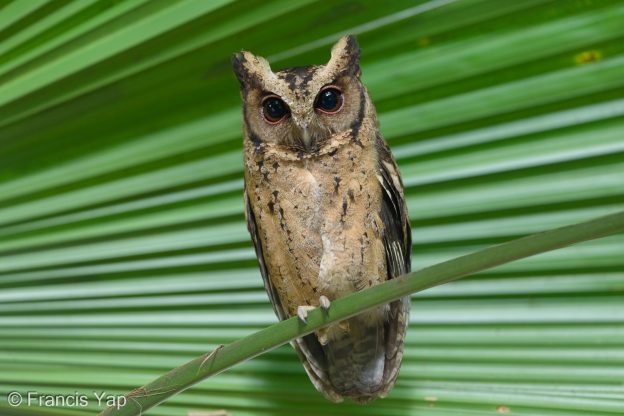
Collared Scops Owl at Singapore Botanic Gardens. Original, uncropped. Compared to the featured photo of this article, the exposure, tint and contrast of this photo differ significantly. I chose this because most local photographers would have encountered this owl in this environment and can judge the condition and colours.
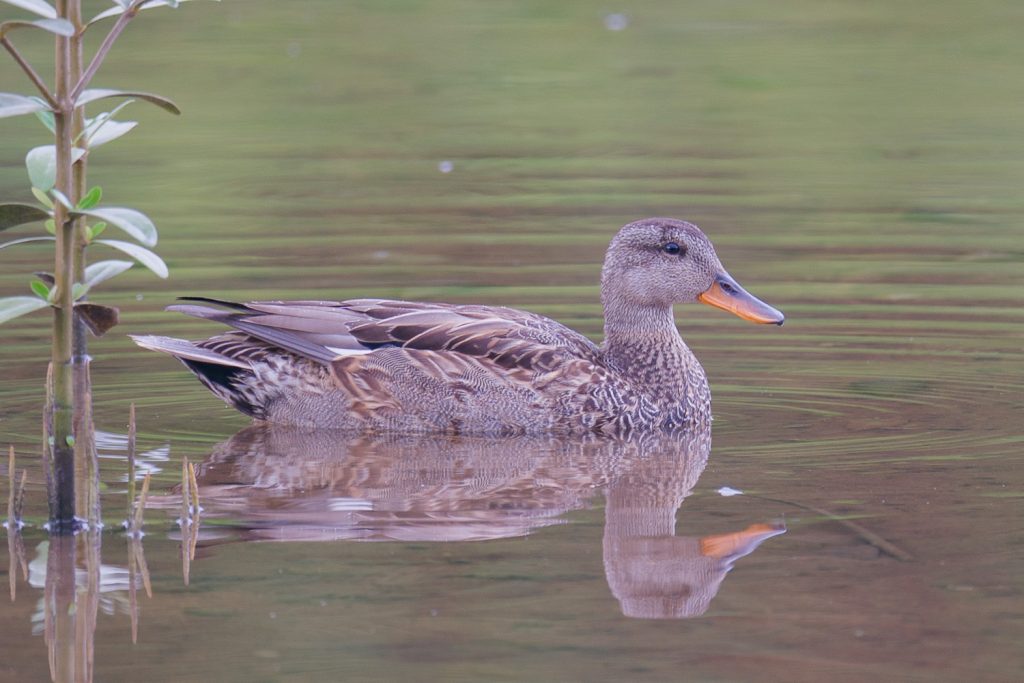
Gadwall at Sungei Buloh Wetland Reserve. Colours straight out of camera. Too much magenta.
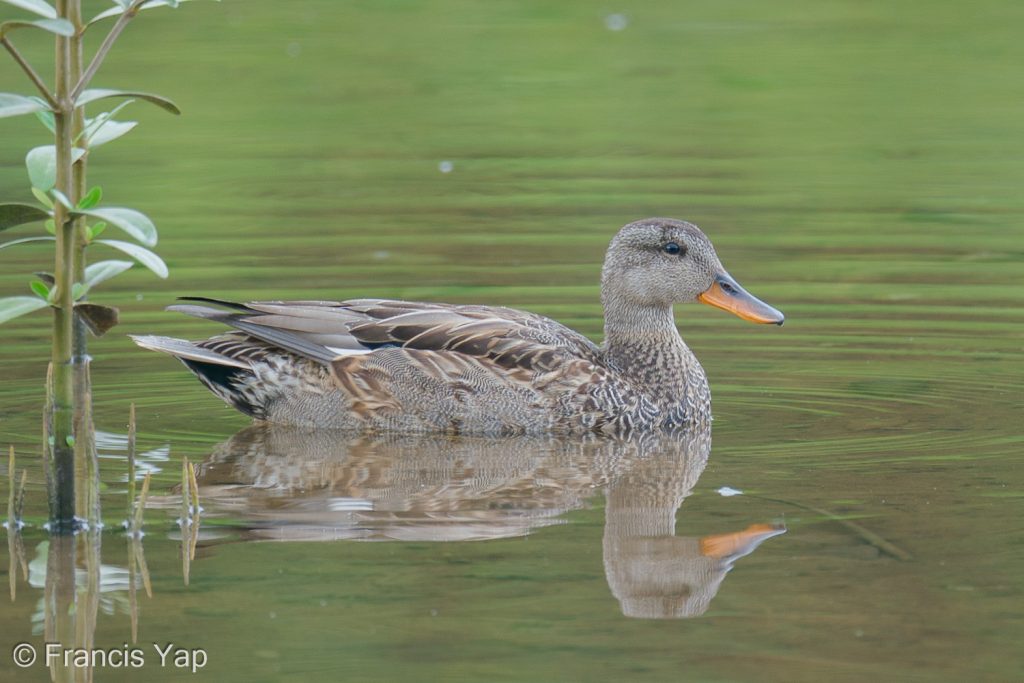
Gadwall at Sungei Buloh Wetland Reserve. Colour corrected.
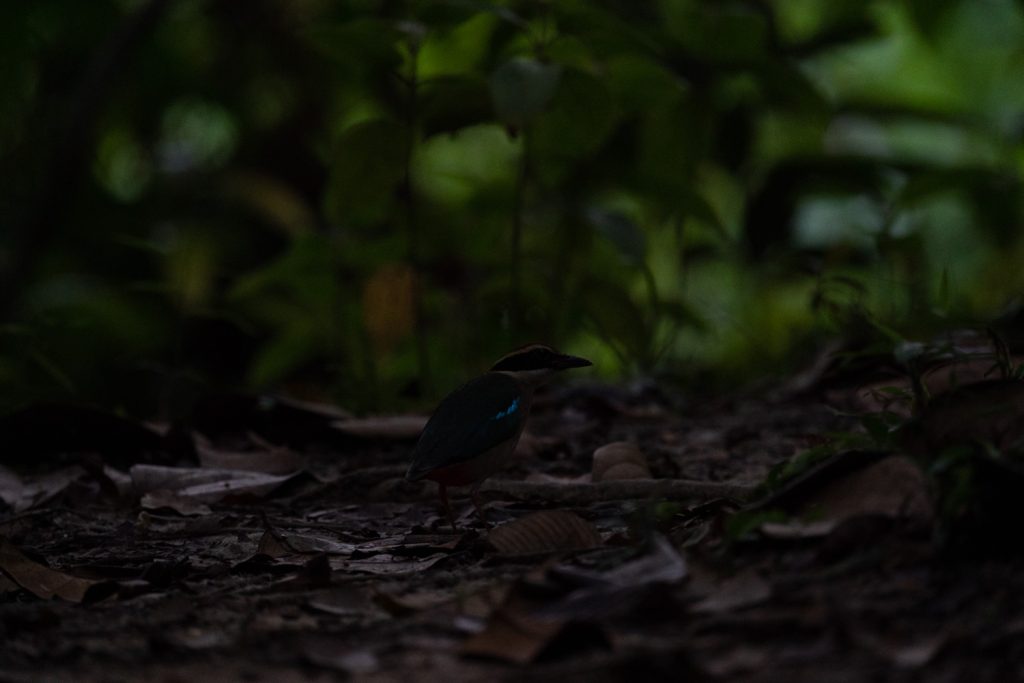
Fairy Pitta at Dillenia Hut. Original exposure, straight out of camera
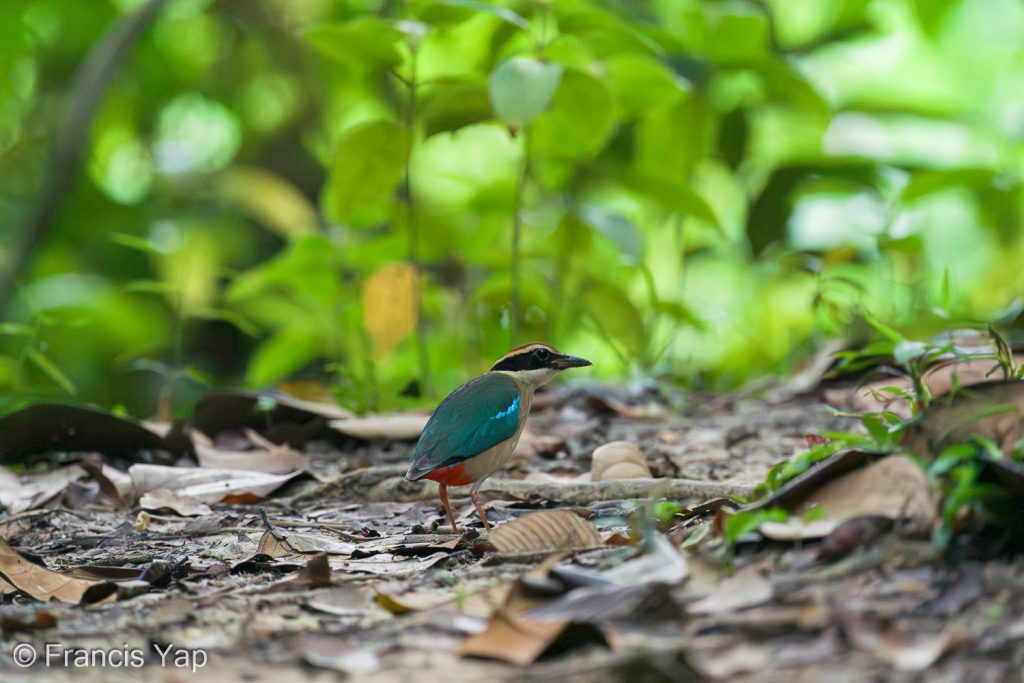
Fairy Pitta at Dillenia Hut. Exposure adjusted upwards, more than what the eye saw, colour temperature adjusted warmer.
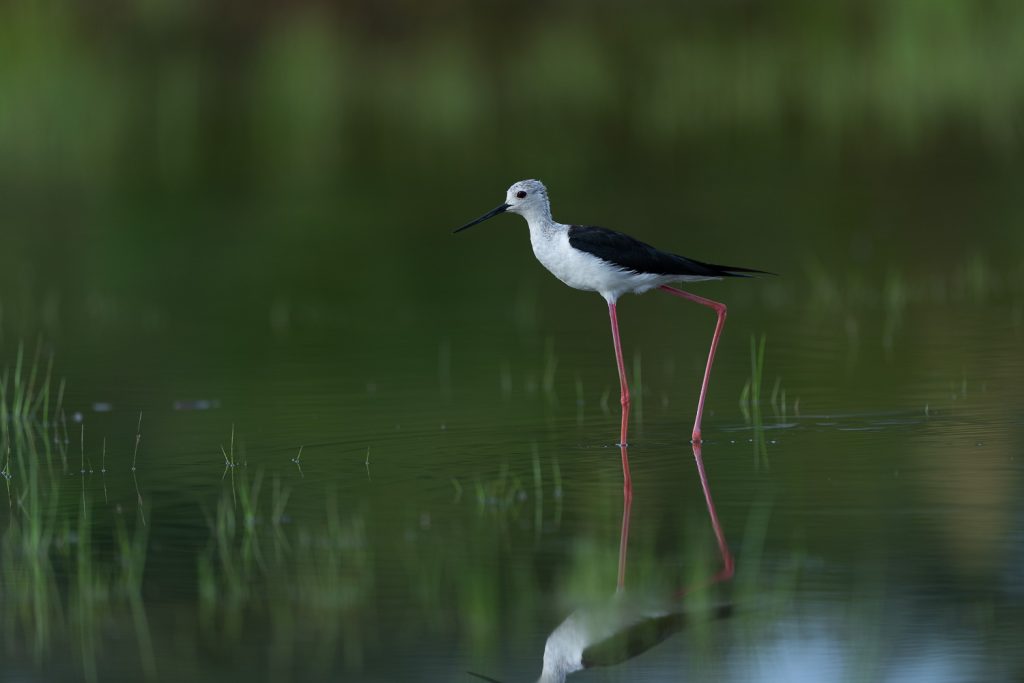
Black-winged Stilt at Tuas South. Original uncropped and unadjusted.
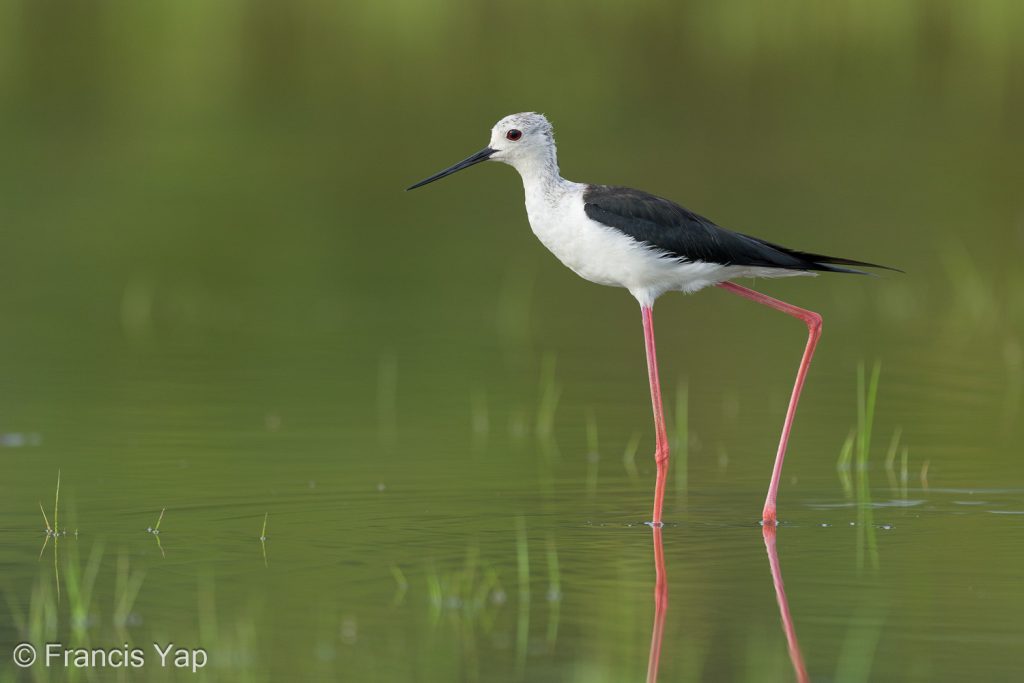
Black-winged Stilt at Tuas South. Cropped, and colour balance adjusted for warmer temperature.
Framing, cropping and composition
I lean towards trying to take a photo as “best” as possible in the field, and rely less on software. My preference is to handhold my camera system so that I can move around more freely to get a better composition. It means if you are a tripod user shooting at the same time as me, I’m pretty irritating because I move around quickly to get the best light, the best compositional angle and I seldom linger for long at one position if I can help it. Back at the computer, I will crop more if the photo is not frame filling (99% of the time). And it may involve a heavy crop, light crop, tight composition (bird take up a lot of the end frame) or loose composition (you see other parts of the photo other than the bird). A lot of time, it really depends of what sort of distractions there are in the photo. Remember that in most of my photos, I’m trying to have the bird at the centre of the composition. Awkward branches, trees, leaves, rocks etc often make for poor photos. If they can be gotten rid of by cropping, then it will be done. What if cropping doesn’t help, like a branch still runs across the body? If I can help it, I’ll take another photo at another time. If not it stays in the photo. What about removing it with the help of software? It’s trivial these days. For Singapore birds, for about a decade now, I don’t remove, replace or add elements in my photos (see disclaimer later below). I am not a purist at heart when it comes to this topic. We all do what we feel is right and I enjoy photos by others with different approach on the matter just as much. For my part, because they are mainly meant to document the birds that I have seen in Singapore, more than anything else, I feel that the audience should know that they remain photos and not artistic re-creations. The usage of these photos by others also mean that they also have a simpler time explaining to their audience as well.
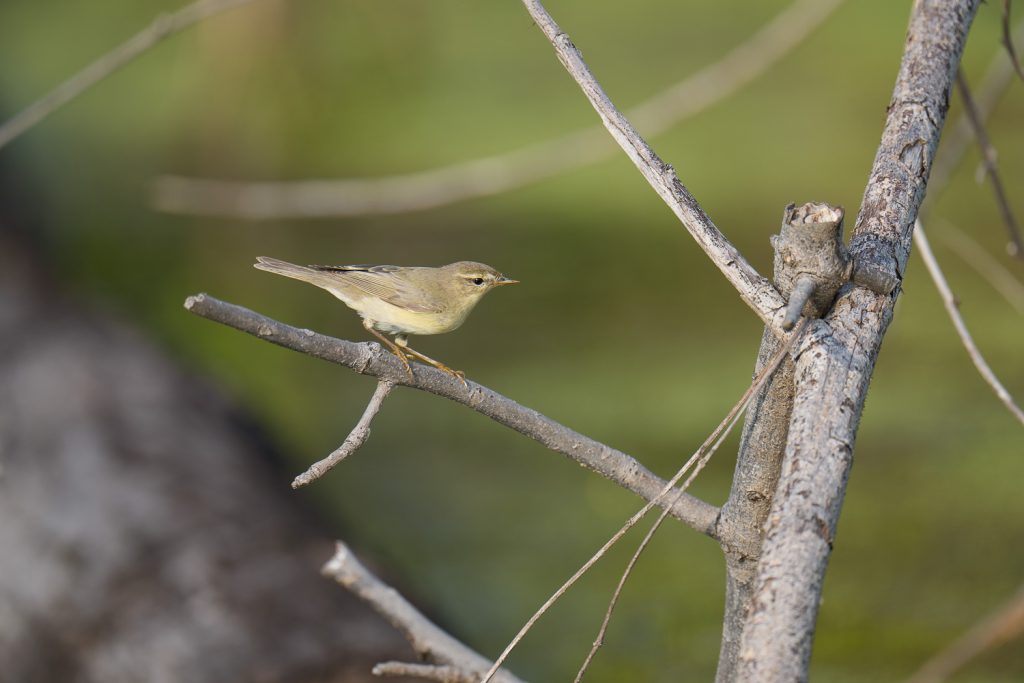
Willow Warbler at Marina Grove. Uncropped original.
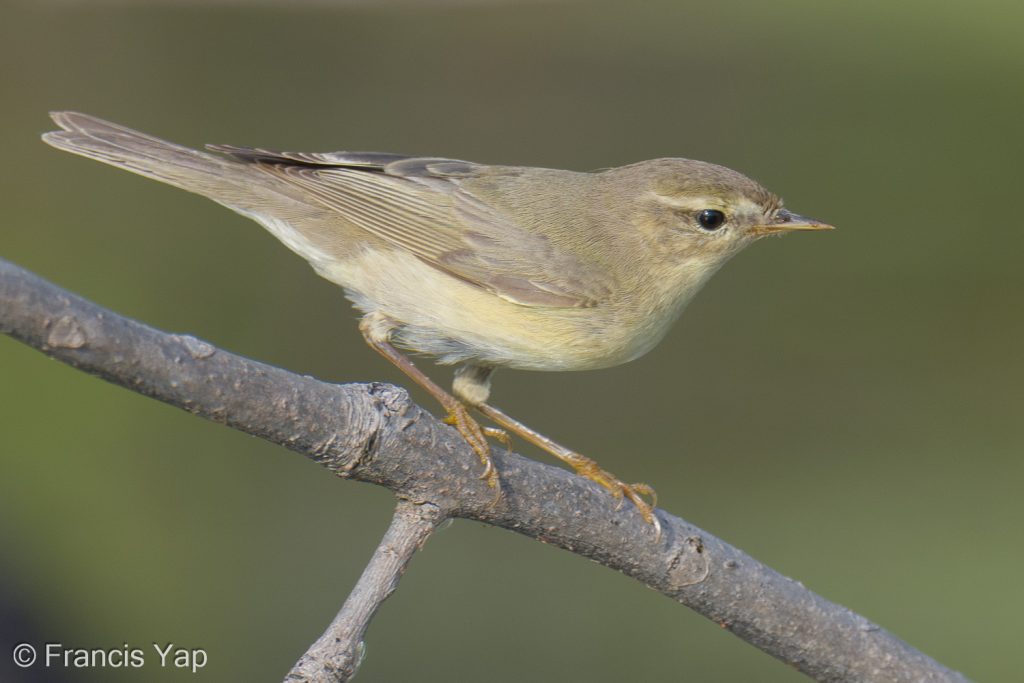
Willow Warbler at Marina Grove. Very tight crop and slight rotation to remove unwanted elements, and contrast adjusted.
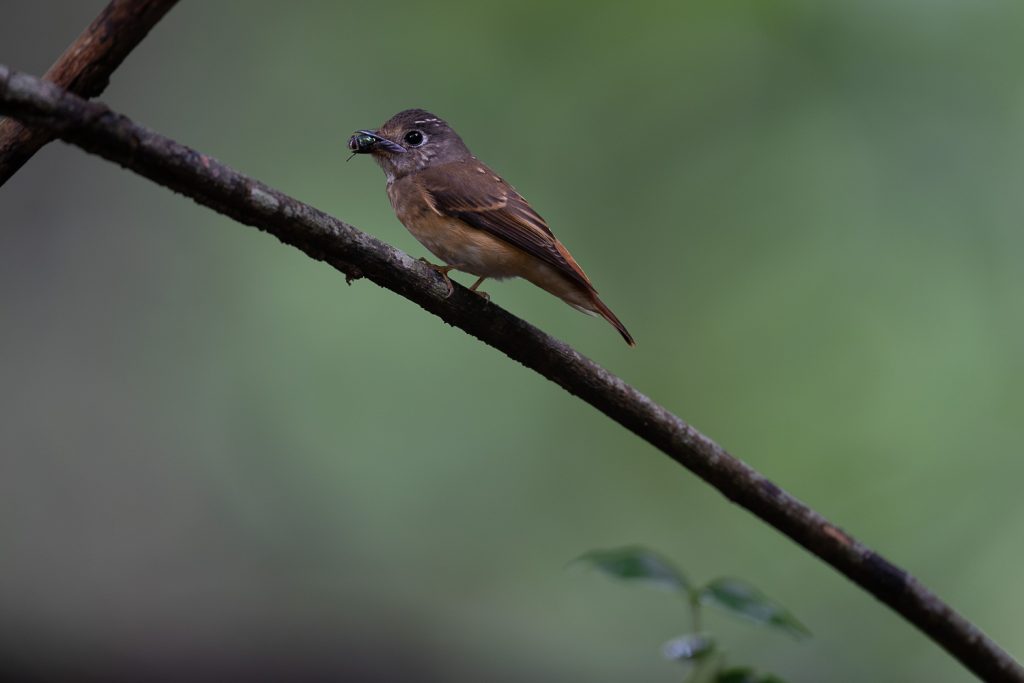
Ferruginous Flycatcher at Singapore Botanic Gardens. Original composition, skewed to the upper left due to mistake.
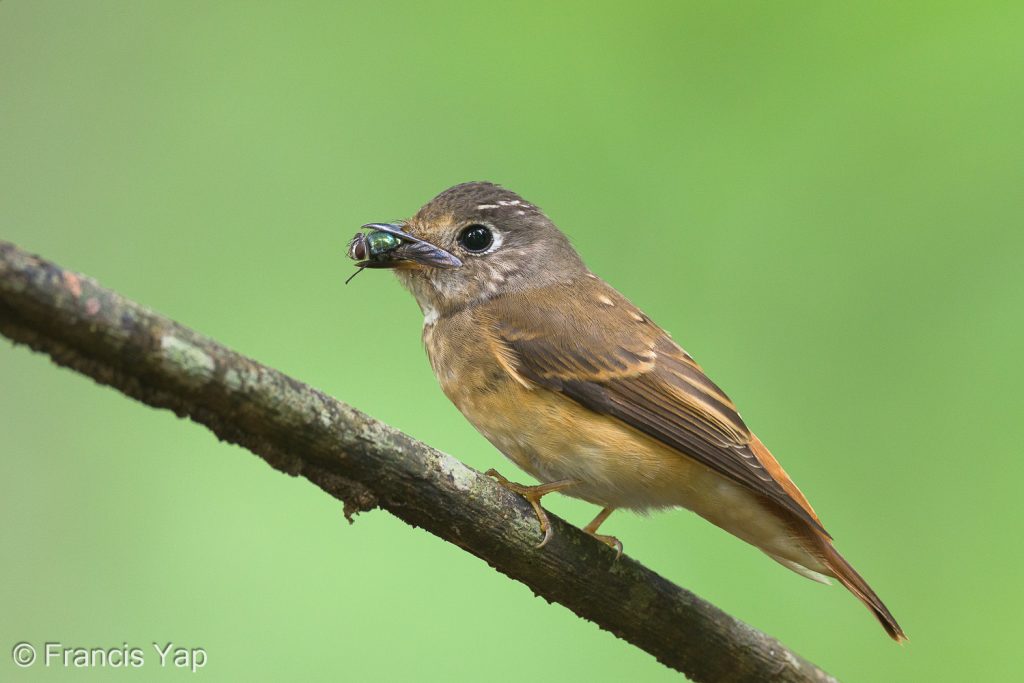
Ferruginous Flycatcher at Singapore Botanic Gardens. Cropped to re-centre and with tighter composition to highlight the fly. Colour balance warmer and exposure adjusted upwards.
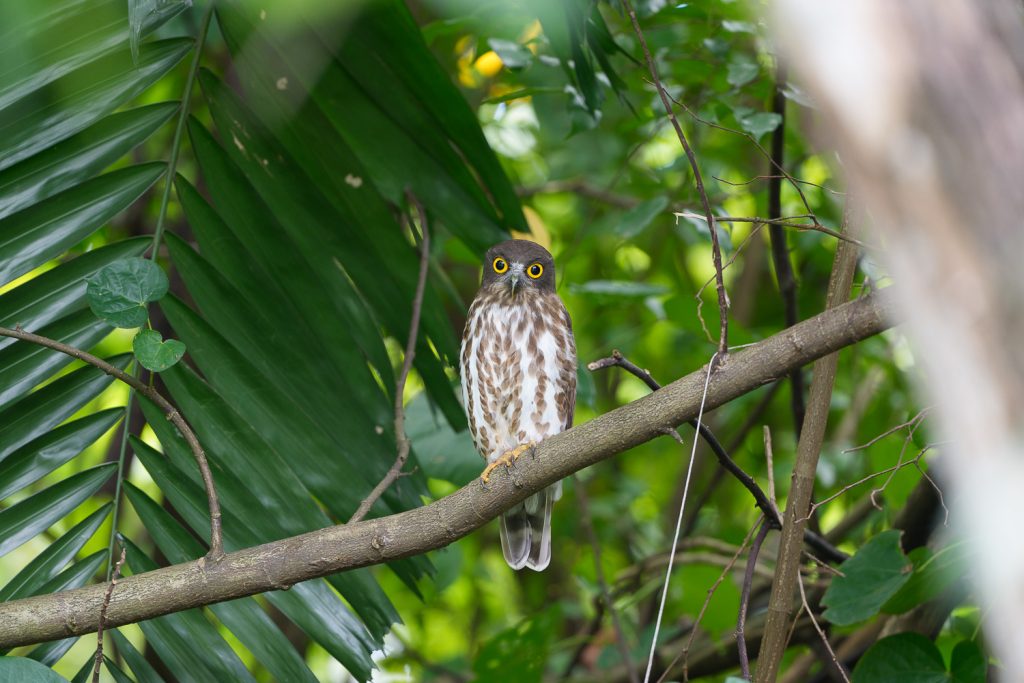
Northern Boobook at West Coast Park. Original uncropped.
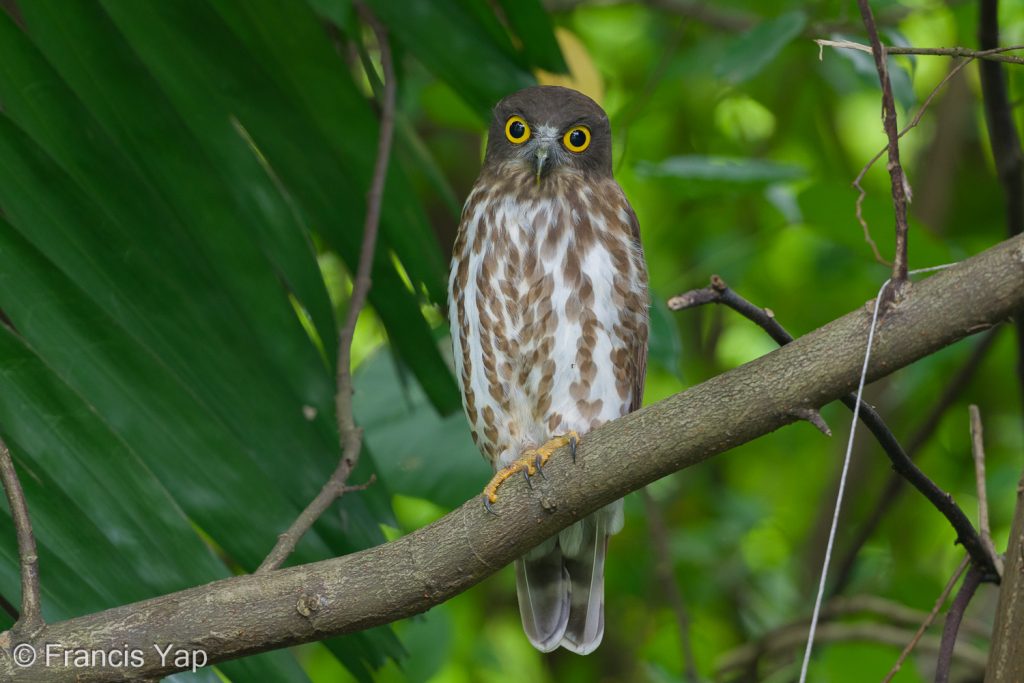
Northern Boobook at West Coast Park. Cropped tighter to remove as much as possible any distractions, but no removal or additions of any elements otherwise.
Things I remove/replace
Noise reduction is the next thing. These days, I shoot RAW photos and process them in Adobe Lightroom. I normally use DXO Photolab for their denoising and in some photos, native Adobe Denoise. I tend to take a lighter touch than what I observe as the norm. It’s a personal preference and I am OK with some noise remaining in the photo. Suffice to say, the current state of the art software noise reduction solutions are highly effective. But here’s the part about adding and removing elements. Any denoising (where using AI, machine learning or otherwise), is basically replacing noisy pixels with what the software consider the most likely “correct” pixels. How does it guess what’s the correct ones to replace? In the end it’s still whether it’s a good guess or a bad one. It’s a complicated topic, but in essence I find denoising my photo to be OK for my standards thus far. Again I’ll rather choose a practical and not an ideological approach. What else is there? OK, there is still sensor dust removal and chromatic aberration adjustment. For dust removal, I take the approach of avoiding frames that need a lot of work, but normally it’s not something I have to deal with on the bird itself. If I need to do a spot cloning on the background due to sensor dust, it’s done. For chromatic aberration and purple fringing caused by the lens, I’m happy to slide some sliders in the software to remove them.
Does the same thing apply for birds taken overseas? Well most of the time yes, except I’m happy to remove some elements (like branches, leaves, hummingbird feeder and such). But basically the choice of exposure, colours , saturation, contrast, cropping and composition remains roughly the same, except perhaps a little more boost in colour saturation and contrast in Instagram.
Conclusion
Every hobbyist photographer has a different aim in their journey. As such the outcome and the decisions we make differ. I’m certainly not trying to sway anyone on how to enjoy their hobby, but merely to explain the rationale for some of my choices. I hope that some of these examples and my thoughts on them make sense to you.